
Contain
Keep balls inside the planned training area.
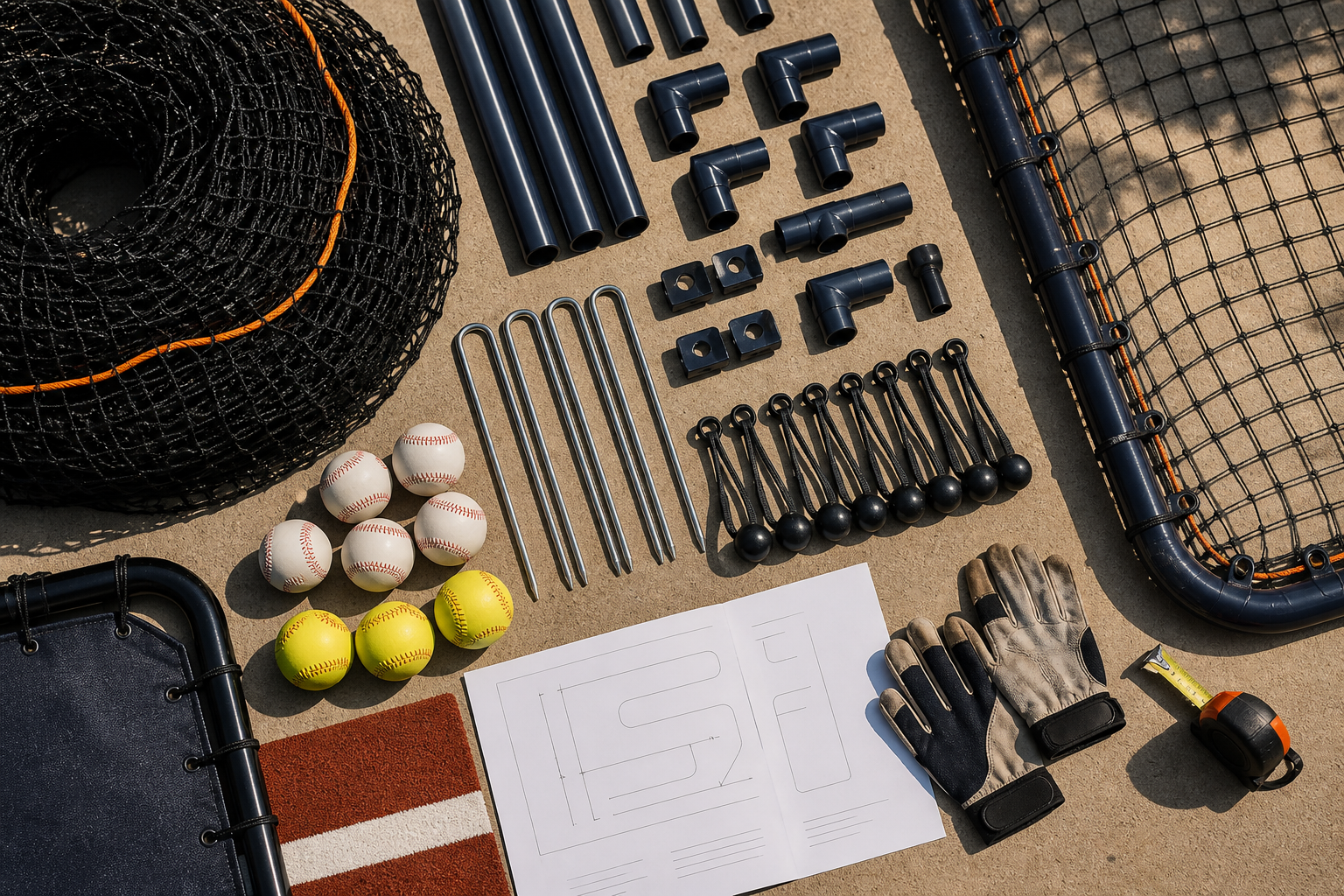 One complete training system.
REPSTYS Field Guide 04
A complete backyard setup connects containment, training equipment, protection, surface and an operating plan around the work the athlete needs to do.
See every system roleKeep balls inside the planned training area.
Create the right pitch or toss for the athlete.
Address the athlete, operator, equipment and surroundings.
Give the athlete and equipment consistent footing.
Plan power, access, storage and maintenance.
Confirm receiving, assembly, warranty and service.
System thinking
Start with the athlete, regular drills and available space. Then fill each system role with compatible components. A product belongs in the configuration only when its job, fit and connection to the rest of the system are clear.
The containment class follows the training plan. Tee work, front toss, regular machine hitting and advanced high-volume work create different demands. Review ball path, athlete position, thrower or machine position, adjacent exposure and use frequency.
Include the entrance, frame, net, hardware, ground connection and any separate backstop or side protection required by the final configuration.
Measure the usable spaceThe source may be a tee, thrower, pitching machine or a combination. For machine work, connect the exact machine to the sport setup, approved balls, feeder, operating distance, power and athlete level.
Decide whether manual feeding or solo practice is required. Do not add an automatic feeder until its model compatibility, ball setup, release behavior and controls are verified.
Run the compatibility checklistMap the athlete, thrower, feeder or operator, observers and nearby household activity. Add the protective roles required by the selected equipment and follow every current manufacturer instruction.
Protection is part of the operating footprint. Screens and safe working positions need space, stable placement and clear sightlines.
A defined hitting area helps the athlete return to a consistent position. A machine needs a stable, level surface that preserves aim and allows adjustment. Review slope, drainage, footing, ground conditions and the effect of repeated use.
The hitting station supports the athlete. The machine station supports alignment and operation. One surface may serve both roles only when the final layout supports it.
Confirm delivery access, component size, freight handoff, assembly responsibilities, required tools, power, cable routing, storage, weather exposure, inspections and maintenance. Keep current manuals and support information with the final configuration.
REPSTYS does not assume construction, electrical work or installation. Any work outside consumer-managed setup must be identified before purchase and assigned to a qualified provider.
Pre-purchase bill of roles
Common gaps